
Menu
Close

A scroll through Instagram or TikTok in Singapore will turn up two facials that look almost the same: HydraFacial and Aquapeel (sometimes written as Aqua Peel) both promise clearer pores, an instant glow, and no downtime.
However, the similarities end at the surface. These two facials differ in where they originated, the philosophy behind them, and how each session feels on your skin.
This guide breaks down what Aquapeel is, what HydraFacial is, how the two compare, and how to decide which suits your skin best.
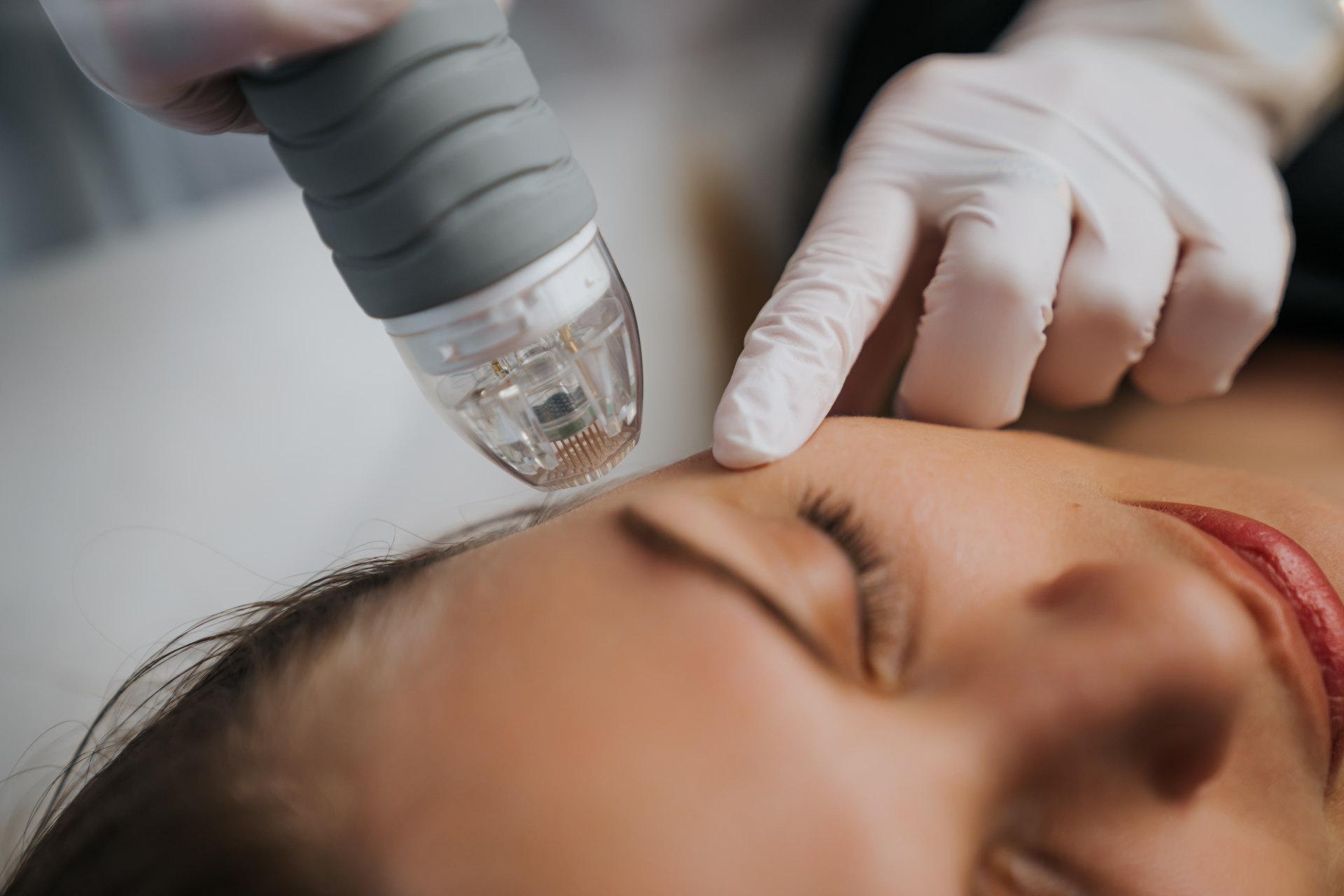
Aquapeel is a water-based facial technique that originated in Korean beauty centres. A specialised handpiece delivers water-based solutions onto the skin while gently drawing out impurities, dead skin, and dirt.
Aquapeel is built around the Korean approach to skincare, which favours gentle, hydration-first care that supports the skin barrier rather than stripping it. The solutions used typically contain hydrating and brightening ingredients, and the process is often paired with a customised facial routine suited to your skin condition.
An aquapeel facial is well suited to those managing congestion, dullness, and dehydration, which are common concerns in Singapore’s humid climate.
HydraFacial is a patented, US-developed skincare device that combines cleansing, exfoliation, and hydration in a single multi-step session. It runs through a specific handpiece and proprietary serums.
HydraFacial is standardised across providers globally, so the machine and serums used tend to be the same regardless of location, though results still depend on the operator’s skill.
It is often positioned as a one-size-fits-all glow session, which is part of its appeal for those who want a quick, predictable experience.
Among the most searched hydrafacial benefits are its consistency and convenience, alongside the visible glow it delivers.
Both facials use a water-based, suction-driven mechanism to clear the pores and deliver hydration in one session.
Despite this shared mechanism, they differ in origin, philosophy, customisation, and cost. Aquapeel tends to be more flexible in how it is delivered, since the solutions and routine can be adapted, whereas HydraFacial follows a set protocol.
| Aquapeel | HydraFacial | |
|---|---|---|
| Origin | Developed within Korean beauty centres | Patented system from the United States |
| Customisation | Can be tailored to your skin | Follows a set protocol |
| Solutions Used | Korean-imported, water-based solutions | Proprietary serums |
| Underlying Philosophy | Centres on gentle hydration and barrier care | Centres on multi-step exfoliation and glow |
| Typical Cost | Often more affordable in Singapore | Tends to cost more due to licensing |
Aquapeel and HydraFacial are similar in concept, since both are water-based sessions with no downtime, but they are not identical. Which one is “better” depends on what you are looking for.
If you want a customised, Korean-style hydration session, Aquapeel tends to suit you well. Meanwhile, if having a globally standardised experience is a priority, HydraFacial may appeal more.
Neither facial is universally superior. The right choice comes down to your skin type, concerns, and personal preference for approach.
The right choice depends on your skin type, your concerns, your budget, and the kind of experience you prefer.
Singaporeans dealing with dehydration, dullness, and congestion, often linked to humidity and dry skin caused by aircon exposure, tend to lean toward Aquapeel for its hydration-forward, Korean-style approach. That said, a proper skin assessment should always come first.
If you are exploring a broader hydration facial, you may want to consider Aquapeel alongside other Korean facial options that focus on rebuilding the skin barrier.
Whichever direction you lean, the quality of the session depends on the machine, the product quality, and the experience of the person performing it.
Look for providers that use Korea-imported machines and solutions, offer a proper one-to-one skin assessment before the session, and are transparent about pricing. A customised approach, where your consultant adapts the routine to your skin condition, tends to produce more relevant results than a standard package.
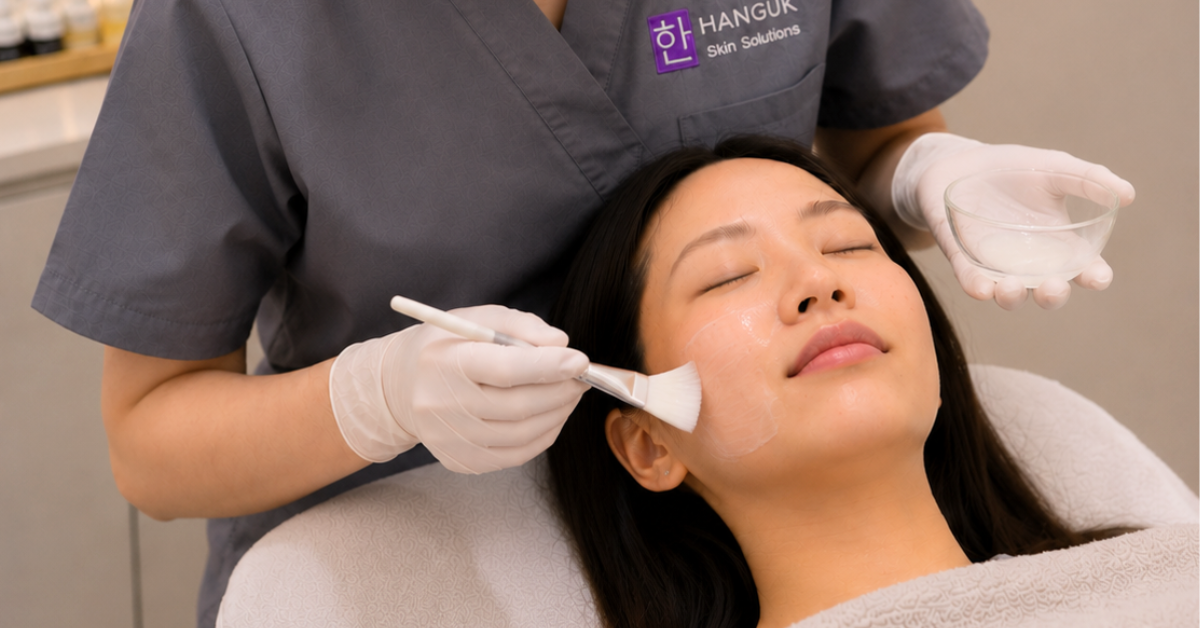
Hanguk Skin Solutions is a Korean beauty centre in Singapore offering Korean Aquapeel as part of a fully customised, no-hardsell experience across two central outlets. Rather than choosing based on brand recognition alone, it helps to start with a personalised skin assessment.
Book a first-trial session with us, and let our Korea-trained consultants help you find the facial that fits your skin and your lifestyle.