
Menu
Close

Your baby is finally home. A few weeks after delivery, you catch your reflection and notice darker patches spreading across your cheeks, forehead, or upper lip. You expected your skin to settle, but instead, the discolouration has deepened.
What you are seeing is melasma after pregnancy, a form of postpartum pigmentation that affects many mums. Understanding what drives it and what actually helps is the first step towards managing it well.
Melasma is a pigmentation concern that appears as symmetrical brown or greyish patches, most commonly on the cheeks, forehead, upper lip, and bridge of the nose. The patches develop when melanocytes, the skin’s pigment-producing cells, become overactive and release excess melanin.
Chloasma is the term used specifically when melasma appears during pregnancy. This is where the nickname “mask of pregnancy” comes from, as the patches can spread across the central face in a symmetrical pattern.
While melasma can affect anyone, women with medium to deeper skin tones tend to experience it more visibly and for longer than those with lighter complexions.
Hyperpigmentation during pregnancy is largely driven by a surge in oestrogen and progesterone. These hormones overstimulate the melanocytes, prompting them to produce more pigment than the skin needs.
After delivery, hormone levels continue to shift for months, which is why postpartum pigmentation often deepens in the early weeks rather than fading.
Several other factors keep it going.
For some mums, postpartum melasma fades on its own within a few months as hormones stabilise. For many others, it lingers for a year or longer without active management.
Whether pigmentation fades after pregnancy depends on how quickly hormone levels settle, how consistently sun protection is applied, and how dormant the melanocytes become. Sun exposure, even in small amounts, can reactivate patches that seem to be improving.
Mums who see little change after six to twelve months tend to benefit from professional support alongside their home routine. Targeted skincare and in-salon sessions can help improve the appearance of melasma significantly over time.
Singapore’s UV index stays high year-round, and even brief outdoor moments count more than most mums realise. Waiting for a Grab, the school pickup, or a quick errand run all add UV time that accumulates across any ordinary week.
Beyond UV exposure, Singapore’s constant humidity makes skin oilier and more prone to inflammation, which worsens existing patches and makes them harder to fade.
Indoor environments carry their own UV risk, too. UVA rays penetrate car windows and office glass throughout the day, quietly deepening melasma patches even without direct sun exposure.
The Korean approach to pigmentation focuses on restoring the skin barrier before targeting the pigment directly. A healthy, resilient barrier allows brightening ingredients to work more effectively, and gives overactive melanocytes the conditions to gradually settle.
A typical Korean approach to managing postpartum melasma follows these steps.
As a Korean beauty centre in Singapore, Hanguk Skin Solutions builds every service around this barrier-first philosophy. Our consultants assess each client’s skin individually before any session begins, so postpartum pigmentation concerns receive targeted, personalised care.
Many mums want to know how to remove or fade pigmentation after delivery. A consistent daily routine, paired with a few smart lifestyle habits, can make a meaningful difference.
Start with this routine each day.
These daily habits also help protect your progress.
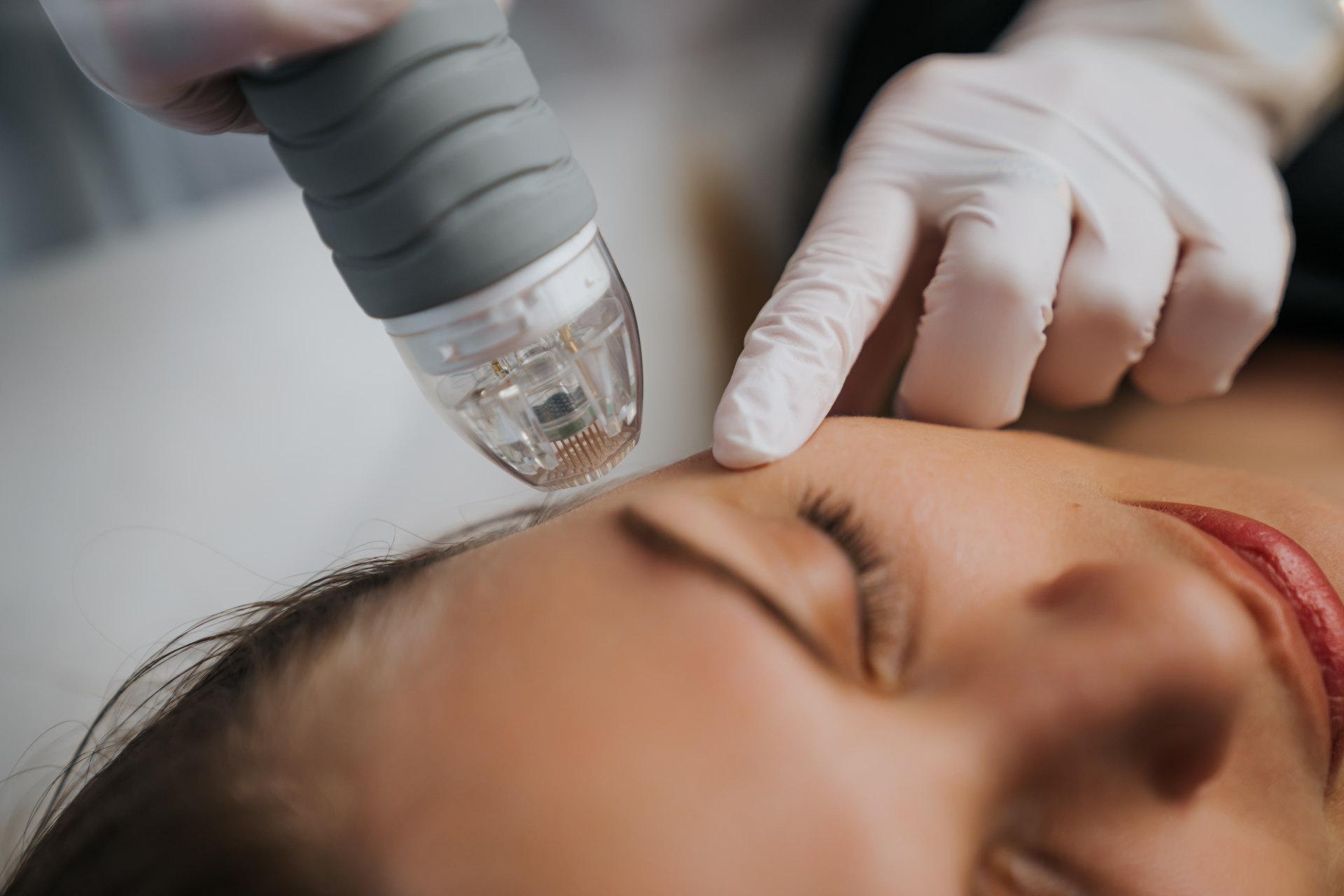
For mums who want professional support, a Korean beauty facial offers a well-considered starting point. The 12-step Korean customised facial adapts to your skin condition on the day, addressing dullness, dehydration, and the appearance of uneven tone.
Postpartum skin calls for a careful, customised approach. When choosing professional care, these qualities matter.

Postpartum pigmentation is a normal hormonal response to pregnancy. For most mums, the right combination of sun protection, barrier-first skincare, and consistent professional support can help improve the appearance of melasma significantly over time.
Starting with a proper skin assessment gives your routine a clear, targeted direction. You learn exactly what your skin needs and how to address it.
Book a first-trial Korean facial at Hanguk Skin Solutions for a personalised assessment and get a customised session built around your postpartum skin concerns today.