
Menu
Close
You cleanse your face, maybe apply a light powder, and step outside. Within forty-five minutes, your skin is shiny again. In Singapore’s humid weather, that cycle tends to repeat itself throughout the day.
Such oily, breakout-prone skin has a strong environmental driver. The climate actively pushes sebum production higher, regardless of skin type. Knowing why changes the kinds of skincare you reach for.
Singapore’s mean annual relative humidity hovers around 82%. At those levels, the air is already so saturated with moisture that the skin’s natural evaporation process slows significantly.
When the skin cannot release heat efficiently, its surface temperature rises. The sebaceous glands respond by producing more sebum.
While some humidity benefits the skin by slowing moisture loss from the surface, at Singapore’s consistently high levels, oil production is the dominant effect.
Even combination or dry skin can turn visibly oily in Singapore’s climate. Many people notice their skin behaving quite differently here than it did in a drier country. As a result, a routine that worked well abroad will often underperform here.
Singapore’s heat compounds the effect further. Higher temperatures dilate pores, making them appear larger, while also softening the sebum inside. Softer sebum spreads more easily across the skin surface, which produces that midday shine even on freshly cleansed skin.
All that excess sebum doesn’t sit cleanly on the surface. Three further factors compound the problem:
Cycling repeatedly between these two environments puts consistent pressure on the skin. The barrier tries to compensate for dehydration by producing more oil, and the extra oil feeds back into congestion. The cycle then repeats every time you move between environments, compounding over a day.
As a result, the skin appears oily and congested on the surface, yet tight and dehydrated underneath. Standard advice for oily skin, such as using mattifying products and skipping moisturiser, often worsens the dehydration and makes both concerns harder to manage over time.
The right approach to skincare for oily skin in Singapore treats oil and dehydration as a pair rather than separate concerns. Your skincare routine for a humid climate should prioritise barrier support over oil reduction alone.
The oily-yet-dehydrated combination is common in Singapore’s humid climate, but the dehydration layer isn’t always obvious. That’s largely because surface oil dominates what you see and feel, masking what’s happening beneath. These signs often point to it:
If several of these apply, your skin is likely compensating for dehydration rather than producing oil purely as a function of skin type. That distinction changes what your skincare routine should target.
The following adjustments are built around addressing oil and dehydration as connected concerns rather than separate ones.
Oily, congested skin in Singapore is largely a climate response, and recognising that changes which solutions actually make sense. Fewer well-chosen products built for this environment will outperform a full shelf of standard formulas.
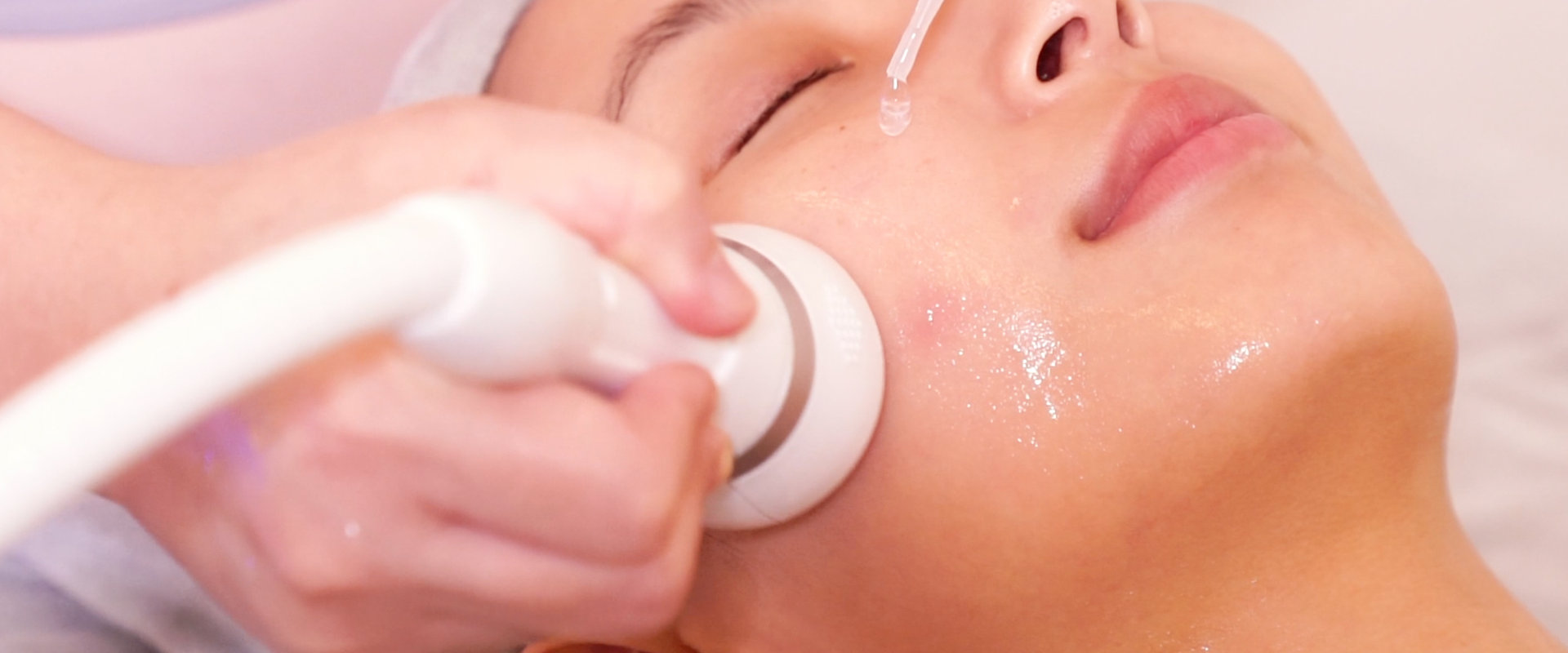
Home care and professional sessions work best as a pair. While your daily routine maintains barrier health between appointments, a monthly professional facial spa in Singapore clears congestion before it compounds and restores hydration where it’s been depleted.
At Hanguk Skin Solutions, every session begins with an individual skin assessment. Your consultant looks at how your skin is functioning in Singapore’s climate, assessing congestion, hydration, and barrier health before the session begins. The approach is then built to match what your skin actually needs at that visit, with no fixed script and no hard selling.
Give your skin a treat. Book a first trial via WhatsApp at Hanguk Skin Solutions today.