
Menu
Close
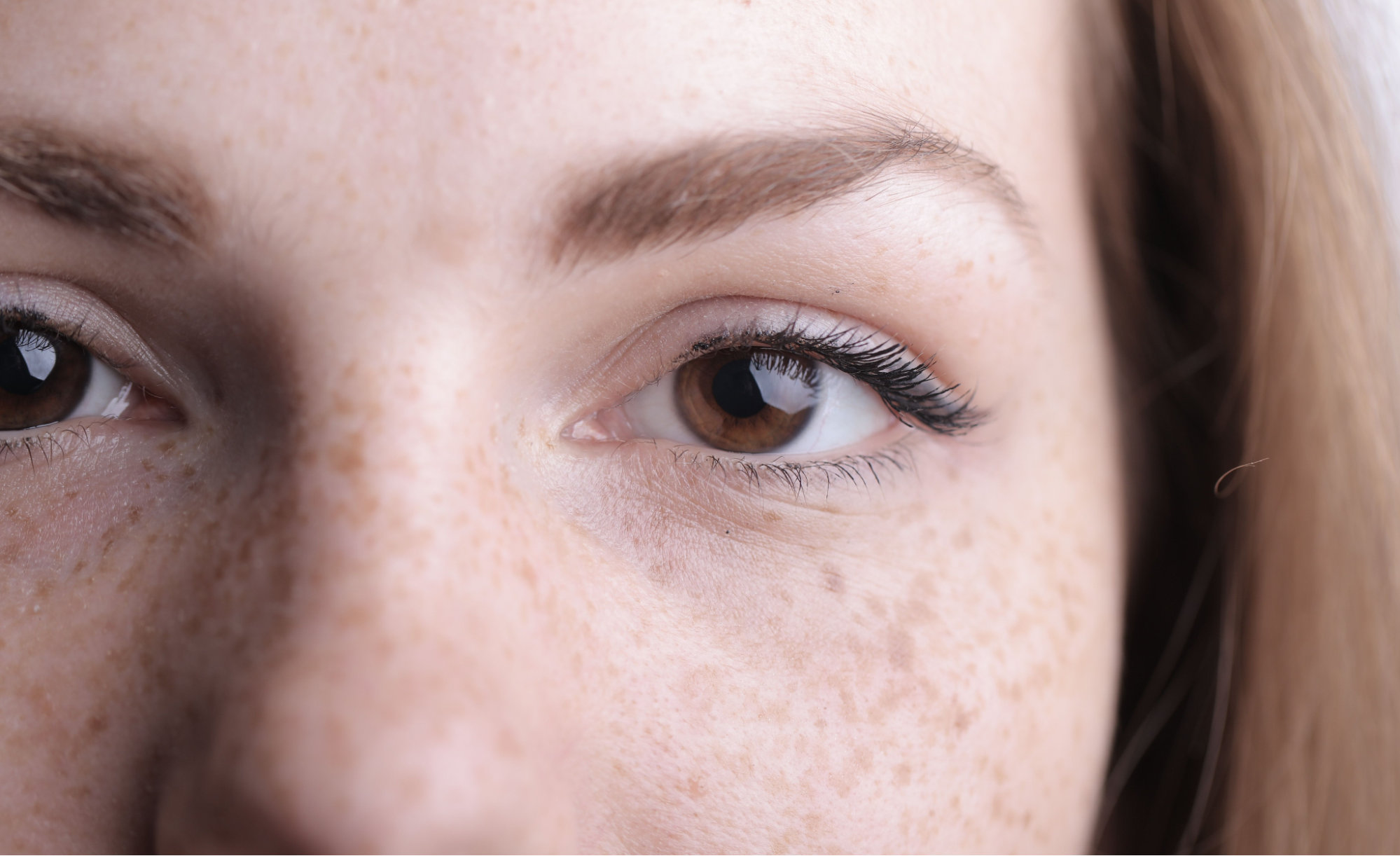
After a sunny weekend or a hazy week, some patches on your face can look a shade deeper than before. This can happen even when sunscreen is already part of your morning routine.
In many cases, a small gap in protection is the likely cause, be it too-thin application, a missing UVA rating, or insufficient defence against visible light. Fortunately, a few label details can close those gaps.
Singapore’s UV stays high all year, so the question of what sunscreen is best for melasma, and for pigmentation and hyperpigmentation more broadly, comes down to those details.
Here’s how to choose a sunscreen, from reading labels and comparing filter types to applying it K-beauty style.
Sun exposure is a well-known trigger for pigmentation. UV prompts skin to produce more pigment, which can cause existing patches to look darker. Visible light plays a part too, especially on deeper skin tones.
Singapore’s year-round high UV reaches your skin even on cloudy or hazy days. As such, sun protection works best as a daily habit.
Sunscreen helps shield skin from UV and visible light and supports an even-looking tone. Hazier weeks call for extra attention, with haze-season skincare focused on protecting skin from pigmentation and sensitivity.
Note: Melasma that persists or changes is best checked with a doctor.
A broad-spectrum sunscreen with a reliable SPF and PA rating, plus iron oxides for visible light protection, makes a solid starting point. Broad-spectrum labelling means the formula covers both UVA and UVB rays. These details apply whether you are choosing a sunscreen for melasma, pigmentation, or hyperpigmentation.
SPF 30 is the commonly cited minimum for sunscreen. However, many skin experts suggest SPF 50 or higher for daily use in strong sun.
SPF reflects UVB protection, while the PA rating reflects UVA protection. As such, a label showing both, such as PA++++, means the product gives fuller coverage.
Even so, applying enough sunscreen consistently matters more than chasing a higher number. A generous layer of SPF 30 can outperform a thin layer of SPF 50 when applied periodically throughout the day.
Iron oxides help block visible light, which standard sunscreens largely miss. A “tinted” label alone does not confirm they are inside, so check the ingredient list for CI 77491, CI 77492, or CI 77499.
Shade matters too. Test the tint in daylight, especially on Asian and deeper skin tones, so it blends in without a grey or ashy look. Use this checklist when you compare labels in-store.
Both mineral and chemical filters can work in a melasma routine. The better pick is the one that suits your skin and that you will wear every day. Here is how the three filter types compare.
In addition, fragrance-free formulas help if your skin tends to sting or react. Irritation can make pigmentation look worse, so a gentle formula supports steady daily use. To be extra safe, do a patch test on your inner forearm to assess how your skin responds before full-face use.
Korean skincare places daily sun protection among its fixed steps. This usually means a high SPF with a PA++++ rating, layered over a gentle, hydrating routine. A hydrated base also helps sunscreen sit smoothly on the skin.
Reapplication is built into the day through lightweight formats, such as sun cushions and sun sticks. These fit over makeup in humid weather without a heavy, greasy feel.
At Hanguk Skin Solutions, our Korea-trained team works with the same gentle, consistent approach behind a Korean skincare philosophy. Each consultation begins with your skin and builds from there.
Amount and timing matter as much as the product itself. Most people apply too little, which lowers the protection from the level printed on the label.
These habits keep coverage steady through a humid day:
Indoor reapplication is essential because UVA can pass through window glass. Even if you’re sitting by a desk beside a window, you’re still exposed to the sun.
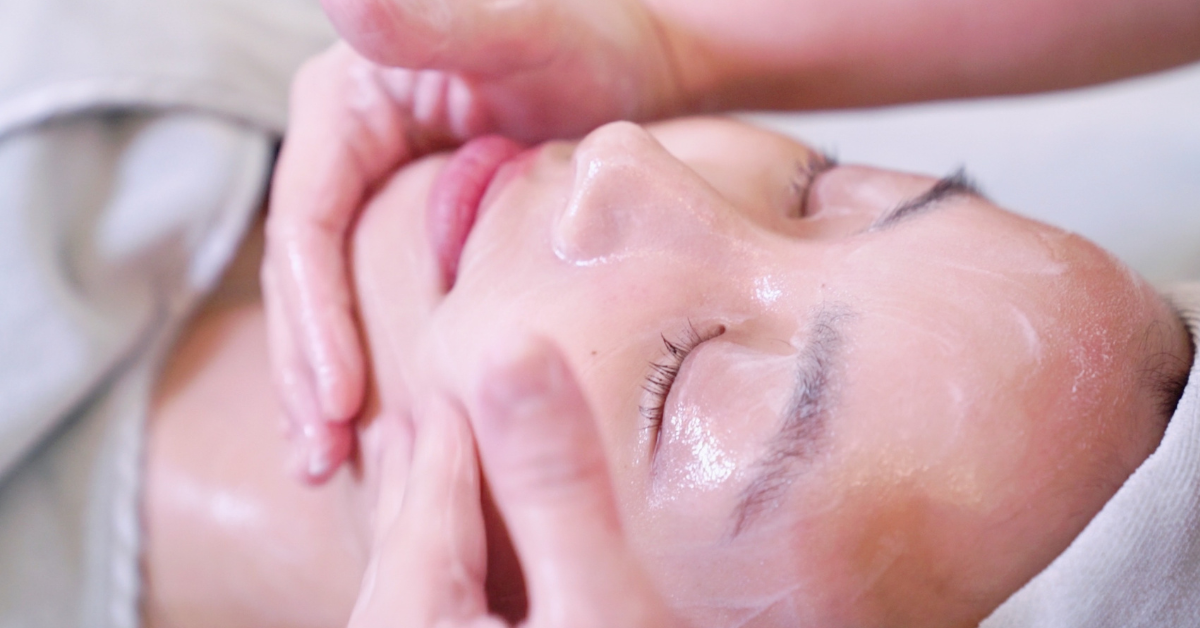
Sunscreen is the daily foundation for an even-looking skin tone. In turn, a gentle, customised facial can support the appearance of an even tone alongside it. A facial for pigmentation begins with a skin assessment, so the approach is customised to you.
Hormonal changes can also influence pigmentation. For mums in particular, melasma after pregnancy can look more apparent, which makes steady daily sun protection even more valuable.
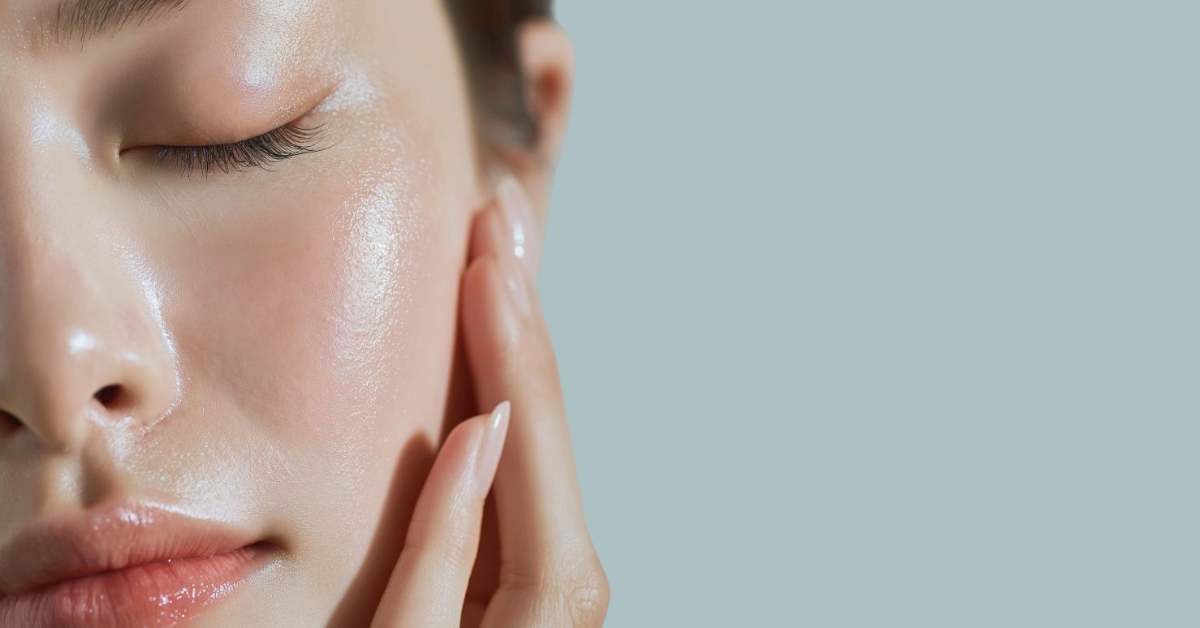
A broad-spectrum sunscreen with SPF 30 to 50 or higher, a PA++++ rating, and iron oxides covers the key label details to look out for when choosing a sunscreen for melasma or pigmentation.
Pairing it with a mineral or hybrid formula that suits your skin, applied generously and reapplied through the day, keeps protection steady. Consistency matters most, so choose a texture you enjoy wearing every morning
Daily sunscreen protects skin from triggers, and a facial built around your skin adds support for an even-looking tone. At Hanguk Skin Solutions, we are a Korean beauty centre in Singapore that offers customised facials alongside daily sun care.
Consultations begin with a skin assessment, so each session suits your concerns and sun exposure. Our Korea-trained team then works with 100% Korea-imported machines and products, which keeps every session gentle and consistent.
Book a first-trial customised facial in Singapore with us for a routine that fits your skin today.