
Menu
Close
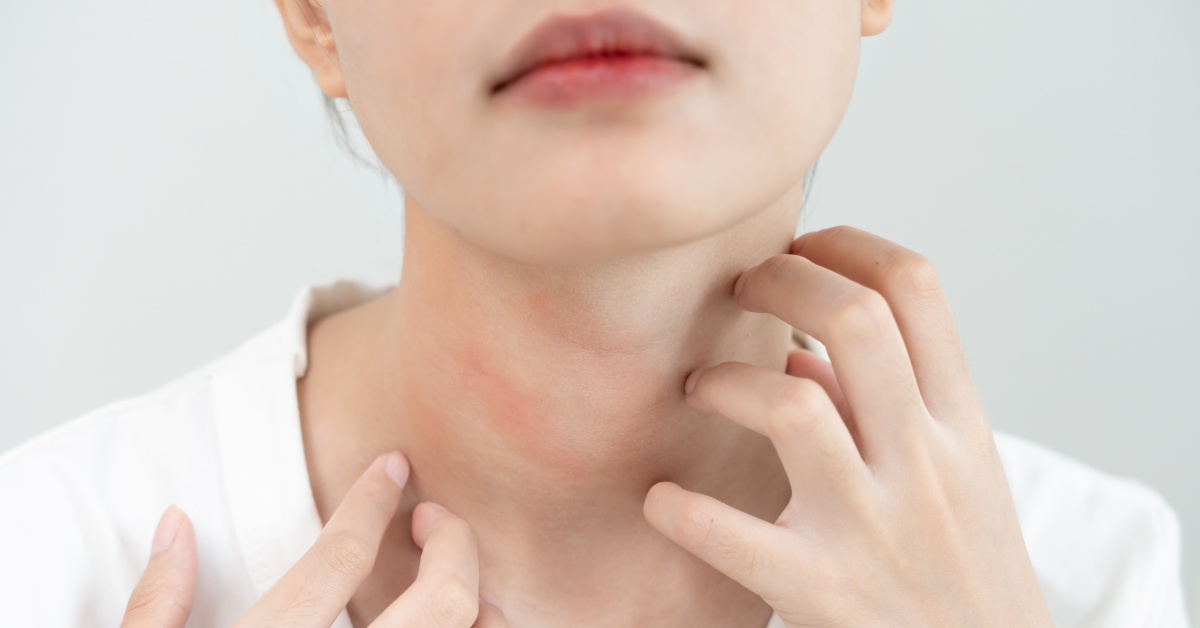
You wake up to a grey sky and a faint burning smell in the air. A PSI advisory pings on your phone before you’ve even had breakfast. By lunchtime, your skin feels tight and itchy, and dull patches appear by the weekend.
This is a familiar pattern for many people in Singapore once the haze season sets in. Haze is a mix of fine particulate matter, smoke, and other pollutants that settle on the skin and disrupt its barrier. As a result, it tends to worsen skin concerns like pigmentation and sensitivity.
This guide covers what haze does to your skin, why it triggers these concerns, and the skincare steps that help during haze season.
Haze often brings to mind smoke drifting across the sky, yet the fuller picture is more complex. It is a fine mix of PM2.5, PM10, sulphur dioxide, and other airborne particles. These particles are small enough to cling to the skin surface and settle into the pores.
The link between air pollution and skin health centres on oxidative stress. The particles weaken the skin barrier and speed up visible signs of ageing. As a result, skin can start looking dull, dehydrated, and more reactive once haze levels rise.
However, these effects tend to build up quietly over several days. Many people in Singapore only notice breakouts, uneven tone, or tight, sensitive skin one to two weeks after the PSI spikes.
Haze can cause skin irritation, particularly if your barrier is already compromised or naturally sensitive. The link between haze and skin sensitivity often comes down to the lipid layer. This is the part of the barrier that holds moisture in and keeps irritants out. Haze particles disrupt this layer, which is why skin can feel itchy, tight, red, or stingy during haze periods.
Here are common signs many people in Singapore notice once the haze season sets in:
Oxidative stress from air pollution is a known trigger for pigment-producing cells called melanocytes. Once activated, melanocytes can produce melanin unevenly, which shows up as patchy or uneven skin complexion. This is particularly relevant for anyone already managing pigmentation concerns like pregnancy-related melasma. Environmental triggers like UV and pollution are known to worsen it further.
At the same time, haze often reduces visible sunlight, so people might skip sunscreen altogether. However, UV rays still penetrate haze and continue to stimulate pigmentation. This is a major reason existing dark spots and uneven tone can worsen.
Inflammation from irritated skin adds another layer, since a haze season breakout or rash can leave behind post-inflammatory pigmentation when it is not addressed.
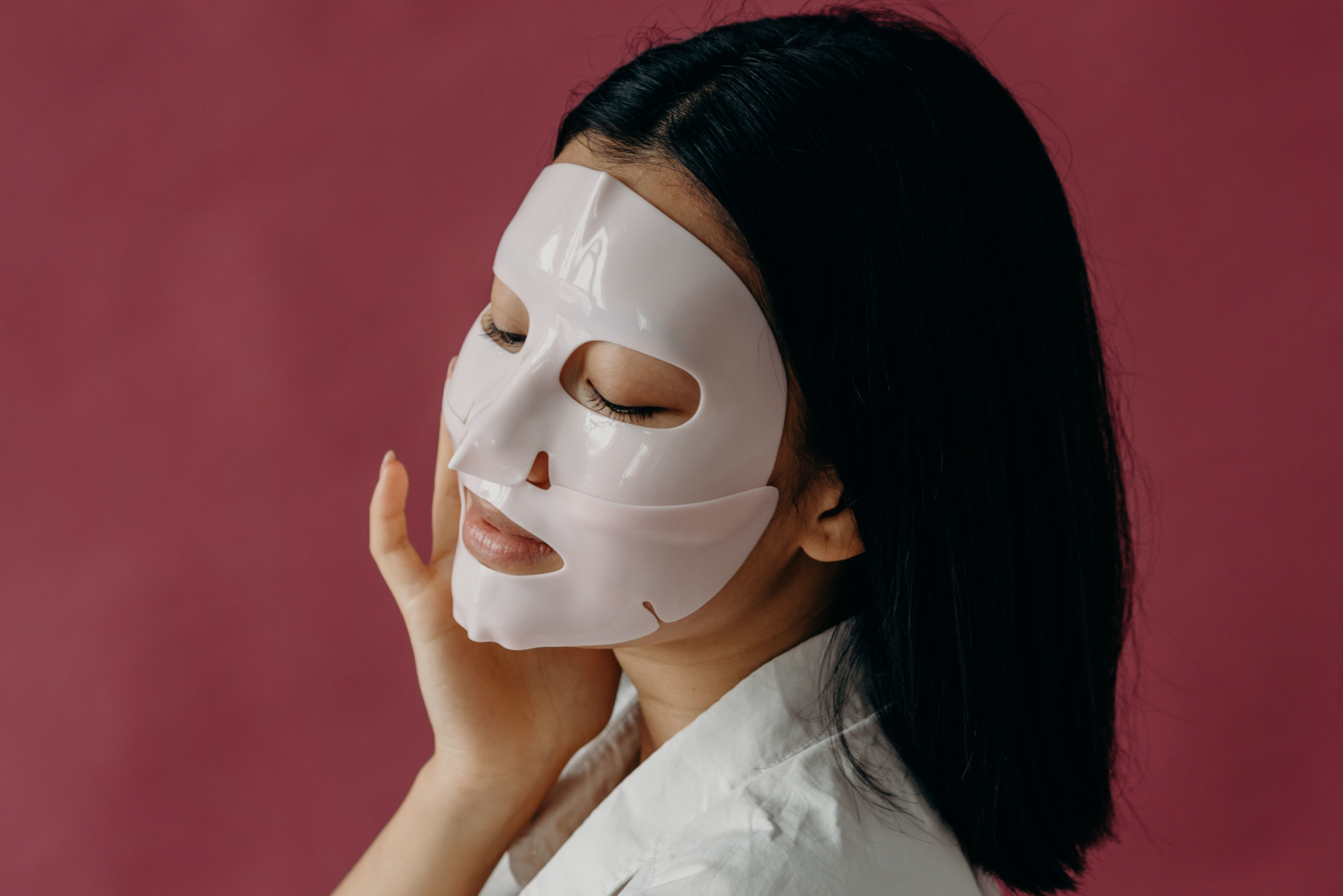
Protecting your skin from haze comes down to a practical routine, one that layers cleansing, hydration, antioxidants, and sun protection. Anti-pollution skincare works by reinforcing your skin barrier, so pollutants have less impact in the first place.
Consistency matters more than expensive products, so adjust each step based on how your skin feels on the day.
Alongside your skincare routine, small daily habits can reduce how much haze reaches your skin. This matters even more if you spend long hours in air conditioning. Office aircon drying out your skin can add to haze-related barrier stress.
Even with an at-home routine, some people notice their skin looking duller, more pigmented, or more reactive after a prolonged stretch of haze. A professional session can help calm and rebalance the skin at this point.
A proper skin assessment is the natural starting point, as the right approach depends on whether your main concern is pigmentation, sensitivity, dehydration, or a mix of all three.
If your skin feels tight, dehydrated, or reactive during haze season, a hydration facial in Singapore can be a gentle option worth considering.
Hanguk Skin Solutions is one option you can consider. We use 100% Korea-imported machines alongside a botanical, chemical-free product line. The focus stays on barrier support and brightening, which suits haze-stressed skin well.
Every session begins with a consultation, so the approach is built around your skin rather than a one-size-fits-all menu. There is no hard sell at any point.
Protecting your skin during haze season comes down to strengthening the barrier, layering on antioxidants, and staying consistent with sun protection. These skincare fundamentals matter far more than adding new products. Both pigmentation and sensitivity flare-ups tend to ease once your skin barrier is supported and the haze clears.
Listen to how your skin feels each day and adjust your routine gently as needed. If your skin needs more support than your home routine can offer, consider booking a first-trial session with us. You’ll get a one-to-one skin assessment and a no-obligation recommendation for calmer, brighter skin.